 Eventra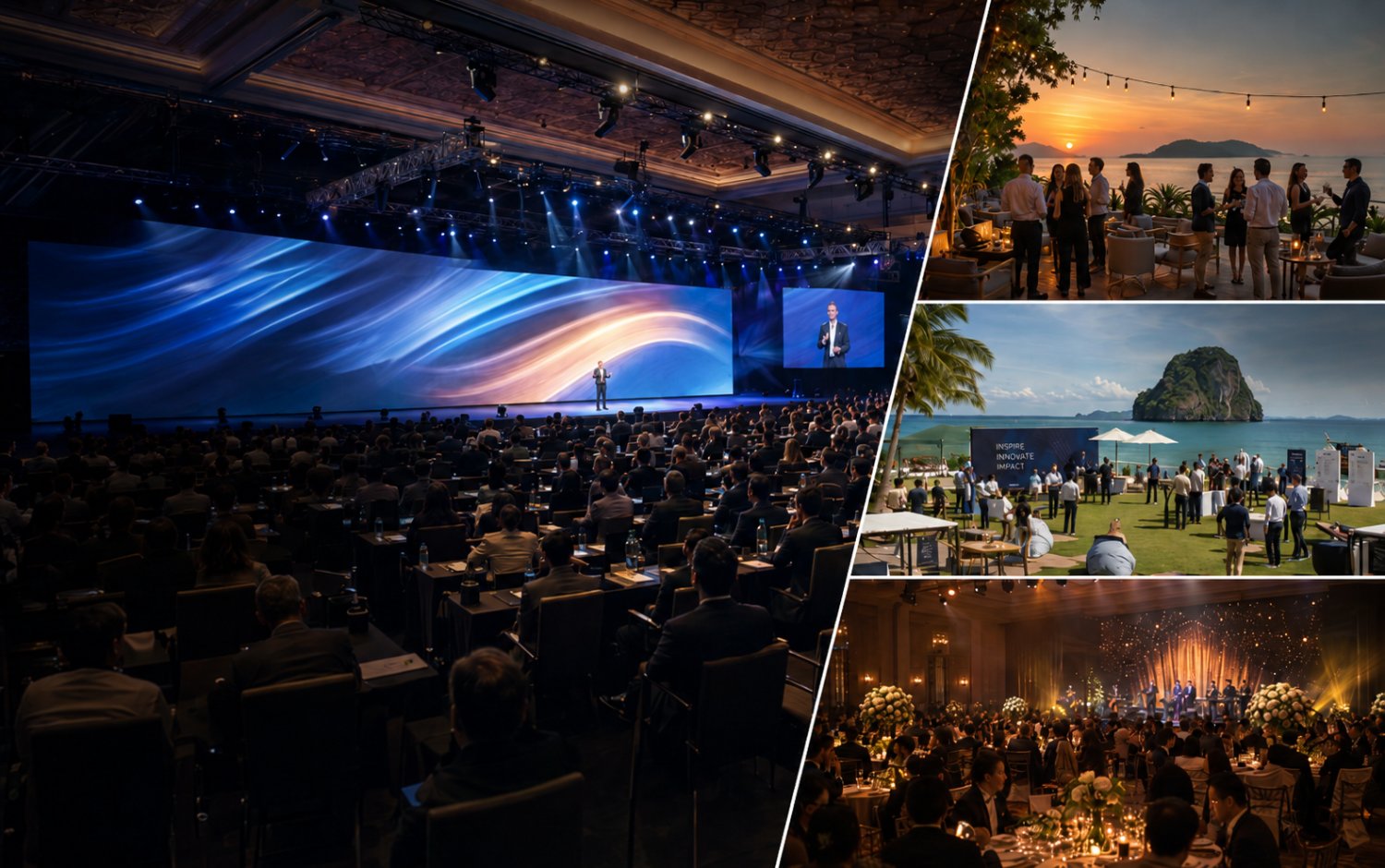
An incentive trip is a reward, a retention tool and a brand statement rolled into one — which is exactly why it is worth planning properly. Here is how to build one in Thailand that your top performers actually remember.
Start with the objective, not the beach
Before venues or dates, be clear on what the trip is for. Rewarding a sales cohort, building leadership cohesion, and celebrating a company milestone lead to genuinely different programmes — different group sizes, different balance of free time versus structured experiences, different budgets. Write the objective down; every later decision hangs off it.
Choosing the destination
Thailand suits incentives because it packs variety into short transfers. Broadly:
- Phuket — the widest range of five-star resorts and yacht/island experiences; easiest for large groups and long-haul arrivals.
- Koh Samui — private-villa exclusivity and a wellness slant; ideal for smaller leadership rewards.
- Krabi — dramatic scenery and adventure (island-hopping, kayaking) for active groups.
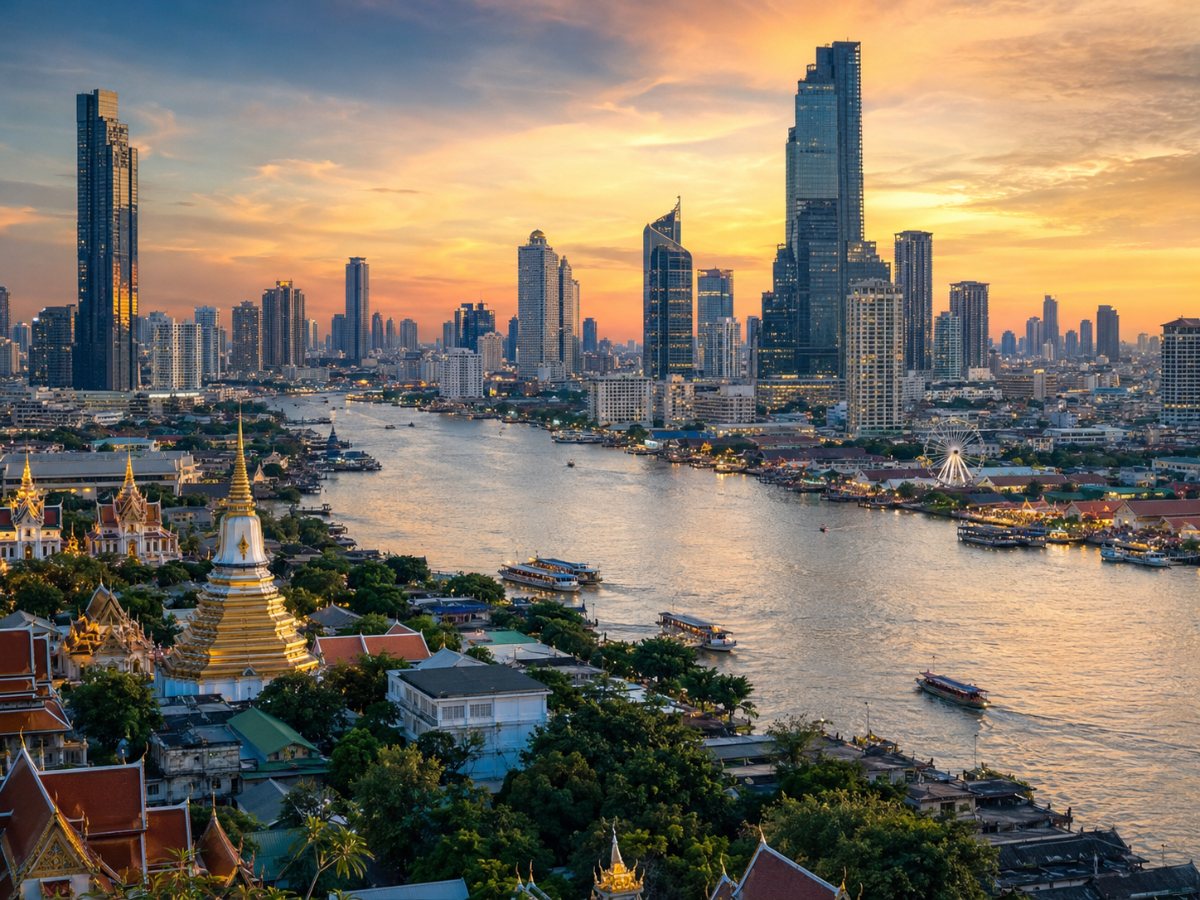
- Bangkok — unbeatable for a city-energy reward or as a launchpad paired with an island leg.
- Chiang Mai — culture, craft and cooler air for a more meaningful, grounded programme.
Budgeting: think per head, per day
Incentive budgets are easiest to reason about per guest, per day — covering accommodation, transfers, experiences, most meals and a closing event. As an indicative planning range, a strong Thailand incentive runs roughly US$450–US$1,200 per guest per day, excluding international flights, depending on resort tier and how signature the experiences are. Get a precise quote before committing — season and group size move this a lot.
The trips people remember spend on one or two unforgettable moments, not on making every single hour expensive.
Building the programme
A well-paced four-night incentive tends to look like this:
- Arrival & welcome — smooth transfers, a relaxed welcome dinner, no early start the next day.
- The signature day — the hero experience: a private island, a yacht flotilla, a cliffside sundowner nobody expected.
- Choice & downtime — optional activities plus genuine free time; over-programming is the most common mistake.
- The gala — a closing dinner with a sense of occasion, awards and a proper send-off.
The timeline
For a group of 100–250 in peak season (November–February), start 8–12 months out to secure the best resorts on your dates. Smaller groups and shoulder-season trips can come together faster, but the signature venues and villas book early.
What a DMC adds here
Incentives are logistics-heavy: dozens of arrivals, transfers, dietary needs, and a gala that has to land. A local partner handles the moving parts, holds the supplier relationships that unlock the signature moments, and runs it on the ground so your team travels as guests, not staff.