 Eventra
If you are running a conference, incentive trip or launch in a country your team cannot easily visit, a destination management company is the difference between managing twelve vendors by email and briefing one accountable partner. Here is what that actually means.
So what is a DMC?
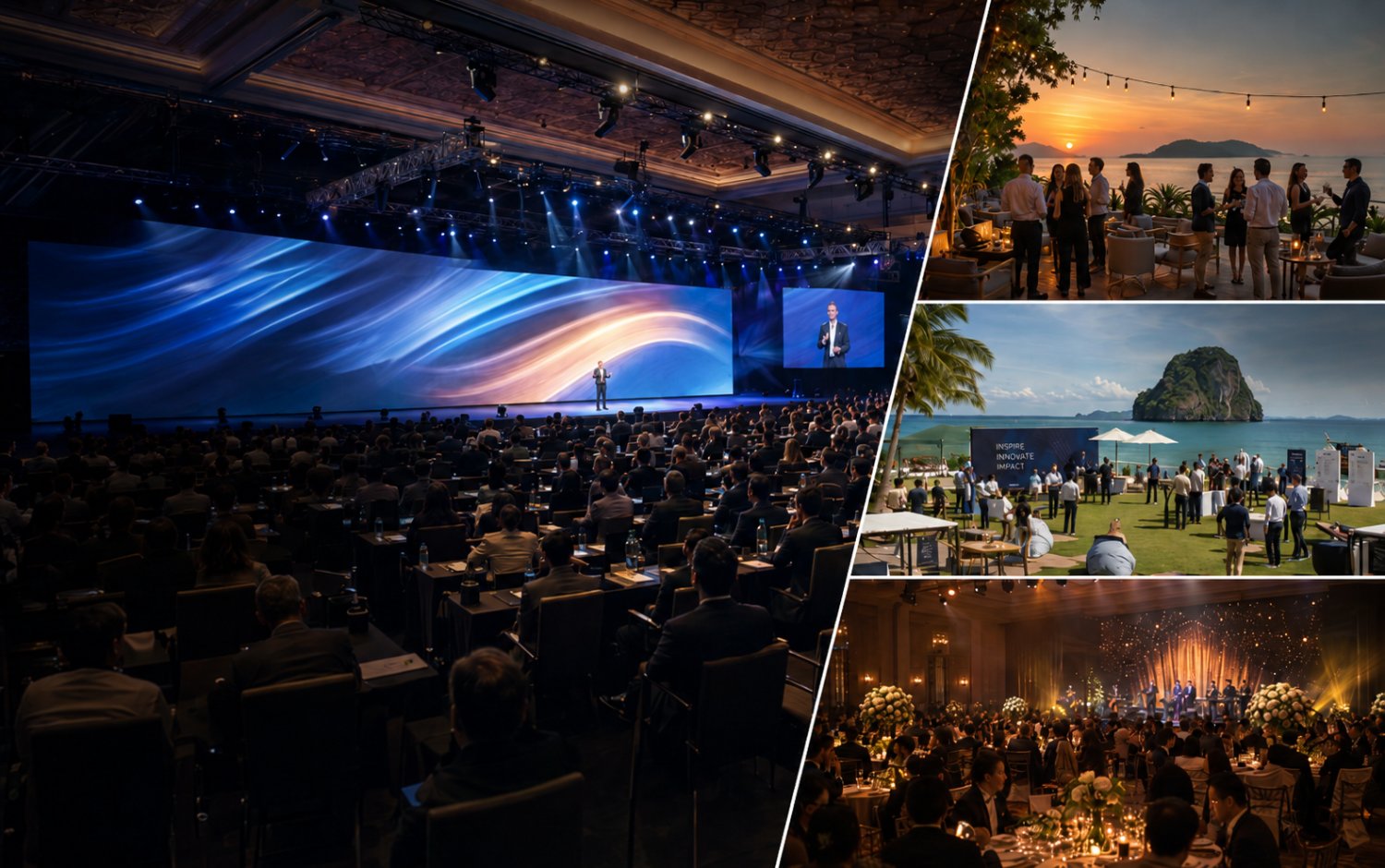
A destination management company (DMC) is a locally based agency that plans and delivers events on your behalf in a specific region. It is the on-the-ground counterpart to your internal team or your home-country agency — the people who know the venues personally, hold the supplier relationships, understand the permits, and run the event on the day.
For a company producing an event in Thailand from London, New York or Singapore, a DMC replaces a scramble of individual bookings with a single point of accountability who works to international standards.
What a Thailand DMC handles
The remit is broad by design — the point is that one team owns the whole thing:
- Venue sourcing and contracting — shortlists with honest pros and cons, site inspections on your behalf, and negotiated rates.
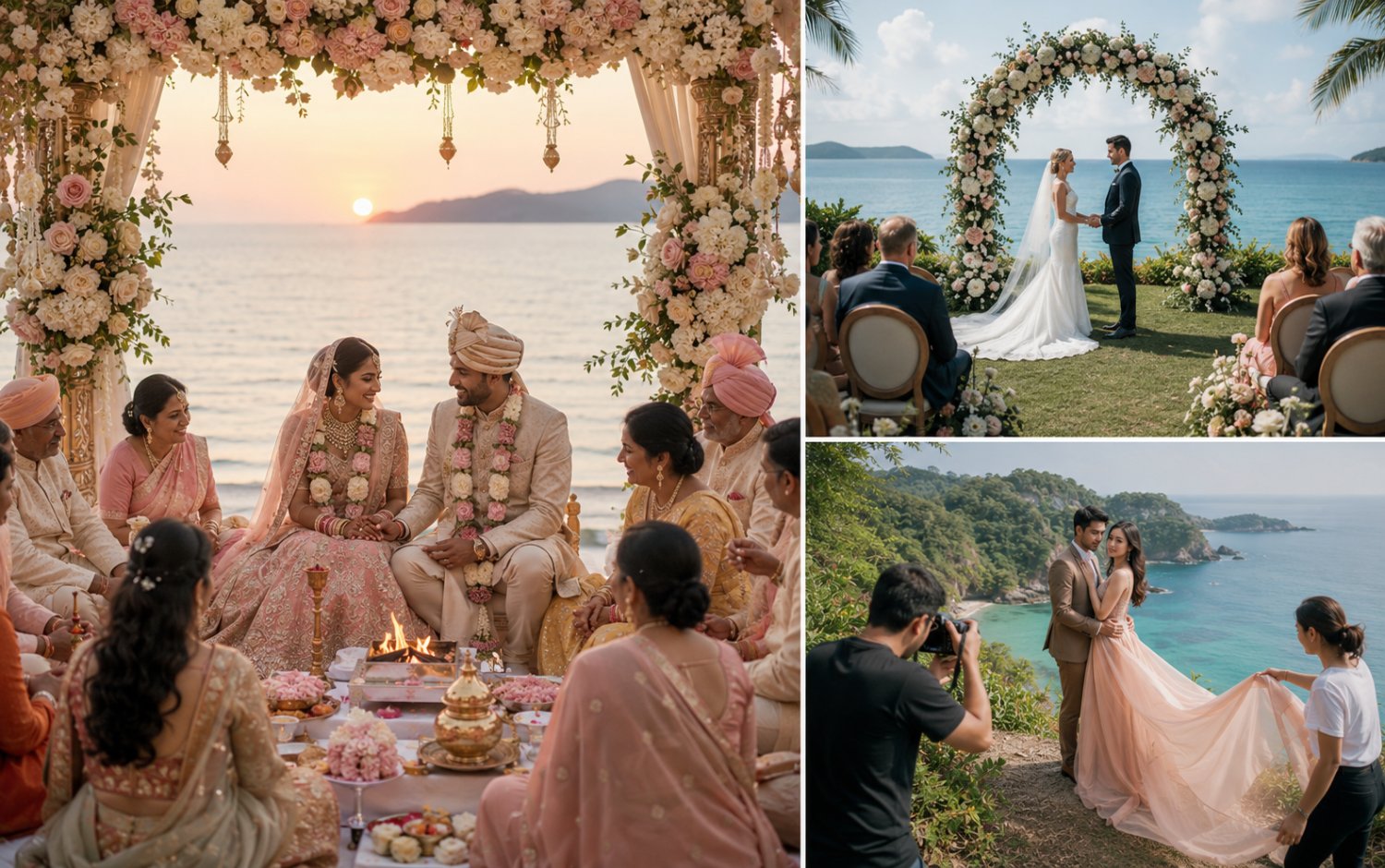
- Supplier management — AV and production, catering, styling, entertainment, transport, photography — vetted, briefed and coordinated.
- Logistics — airport transfers, accommodation blocks, delegate movement, and the run sheet that ties it together.
- Permits and compliance — the local paperwork most overseas organisers do not know they need.
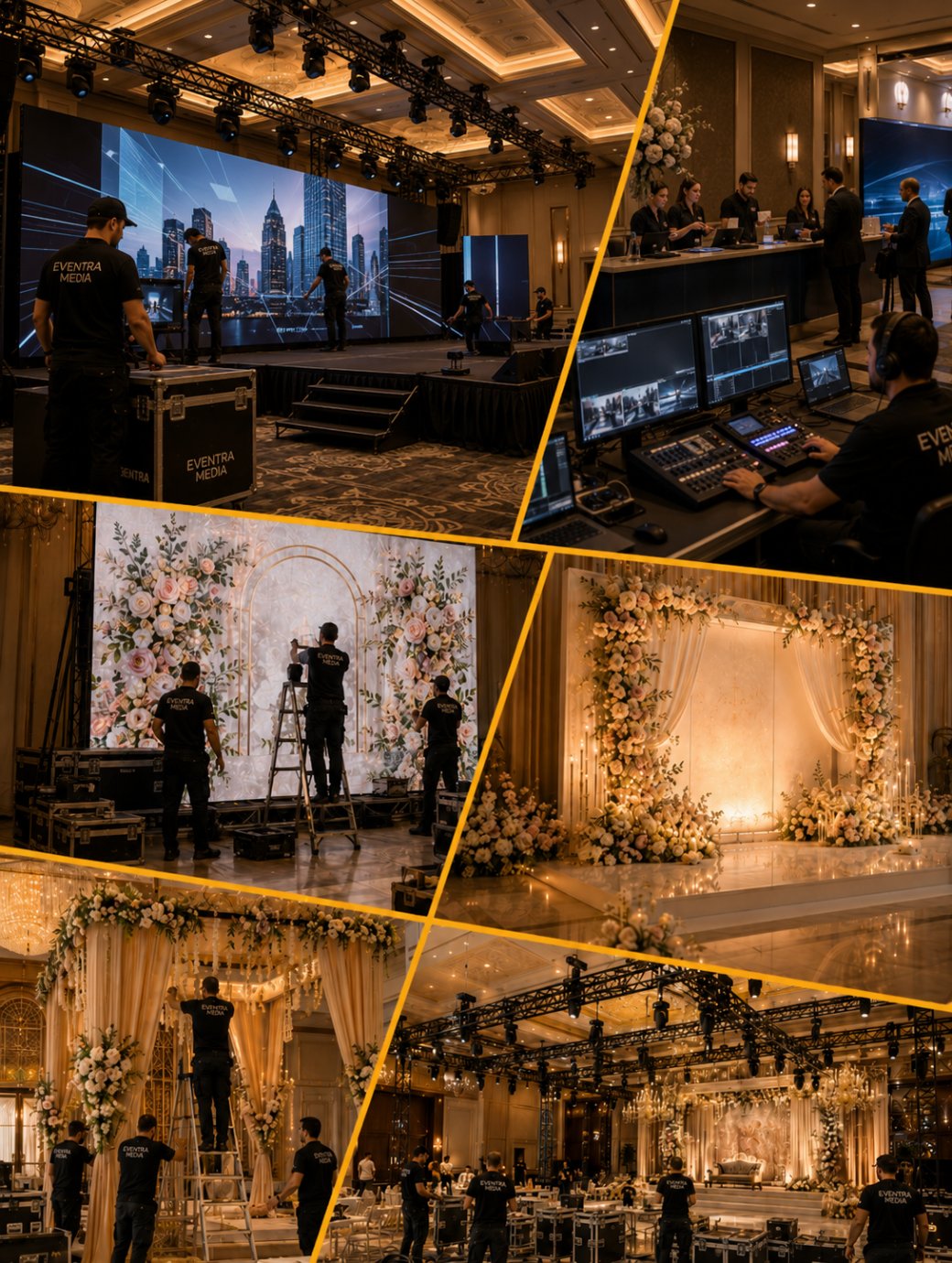
- On-site delivery — a production team physically running the event so nothing depends on you being in the room.
- Budget and reporting — one itemised quote, one reconciliation, in the format your finance team expects.
A good DMC turns “we are producing an event 6,000 miles away” into “we briefed one team and approved a plan.”
DMC vs travel agent vs event agency
These get conflated, so briefly: a travel agent books flights and hotels. An event agency at home designs your event but usually still needs a local partner to deliver it abroad. A DMC is that local partner — and a full-service one like Eventra Media also does the creative and production, so you do not need a separate agency layer at all.
Why not just book direct?
You can, and for a small offsite it may be fine. At any real scale, booking direct means you carry the risk: no leverage on price, no recourse when a supplier underdelivers, no one on the ground when the AV fails at 4pm, and no local knowledge of why a venue that looks perfect online is wrong for your format. A DMC absorbs that risk — it is the entire value.
What to look for in a Thailand DMC
- Transparent, itemised quotes — you should see venue, F&B, production and the management fee separately, with no hidden margins.
- A named point of contact who works your timezone and communicates in clear English.
- Real local depth in the specific destinations you are considering — not a directory of places they have never worked.
- Proper registration and insurance, with contracts and settlement in writing.
Frequently asked
Is a DMC expensive?
A DMC charges a management fee, but usually saves more than it costs through negotiated supplier rates, avoided mistakes and the value of your team’s time not spent coordinating vendors. The fee should be transparent and agreed up front.
Do we lose control by using a DMC?
No — you approve every stage. A good DMC gives you more visibility than booking direct, because everything is documented in one place and signed off before it is committed.